Preventive Measures and Early Detection of Skin Cancer
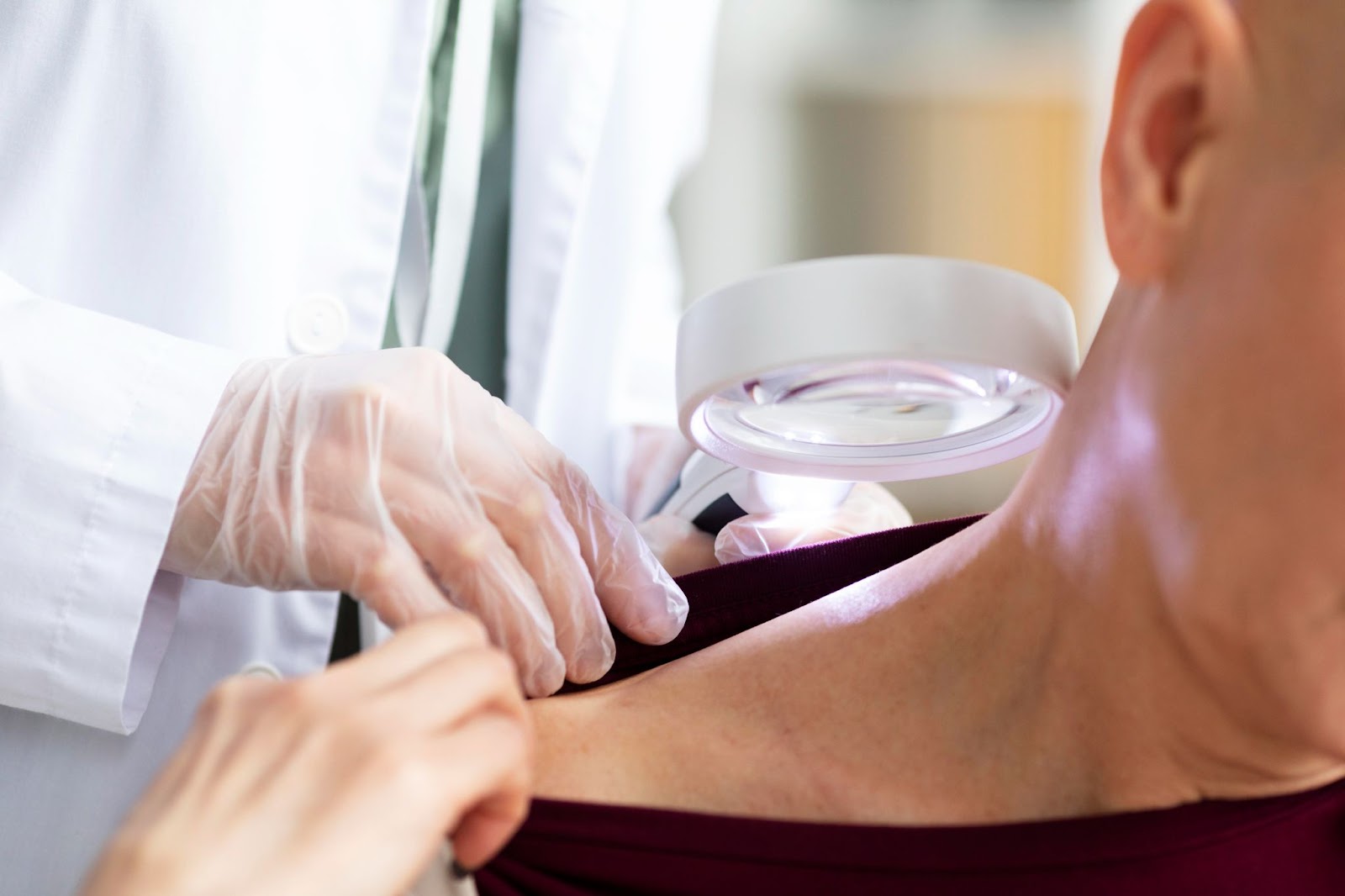
Skin cancer is the most common cancer in the United States, affecting one in five people by age 70. Alarmingly, melanoma rates have been increasing at about 3% annually, highlighting the urgent need for preventive measures and early detection strategies.
Are you aware of how your skin changes can signal potential issues? Regular self-examinations and professional check-ups can be lifesaving. Amara MD offers comprehensive skin cancer treatment in Venice, FL, and shares effective ways to protect your skin and recognize early signs of skin cancer. By staying informed, you can take proactive steps to safeguard your health and potentially save your life.
How Skin Cancer Occurs and What Are Its Common Types?
Skin cancer is the uncontrolled growth of abnormal skin cells caused by damage to DNA, often from ultraviolet radiation in sunlight or tanning beds. This triggers mutations that cause skin cells to multiply rapidly, forming malignant tumors. Skin cancer can occur anywhere but is most common in sun-exposed areas
The most common types of skin cancer are;
Basal Cell Carcinoma (BCC)
Basal cell carcinoma is the most prevalent form of skin cancer, primarily arising in areas frequently exposed to the sun. It typically grows slowly and is highly treatable when detected early. Symptoms include:
Open Sores or Wounds: Sores that do not heal or wounds that bleed, ooze, or crust over.
Reddish Patches: Irritated patches with visible blood vessels.
Shiny Bumps or Nodules: Translucent, waxy bumps that may bleed or develop a crust.
Pink Growths: Elevated pink growths with a crusted indentation.
Scar-like Areas: Smooth, waxy, or shiny areas that resemble scars.
Squamous Cell Carcinoma (SCC)
SCC is the second most common skin cancer type and can grow more quickly than BCC. It is often found on sun-exposed areas but can also appear on scars or injuries. Symptoms include:
Persistent Scaly Patches: Rough, scaly patches that may bleed or form sores.
Elevated Growths: Firm, red nodules with central depressions.
Open Sores: Sores that persist, heal, and reopen.
Wart-like Growths: Elevated growths resembling warts, sometimes crusted.
Rough or Scaly Skin: Persistent rough patches that may itch or bleed.
Melanoma
While melanoma is rarer in comparison, it stands as the most virulent form of skin cancer. It has the potential to form on any part of the body, including spots that don’t get sun exposure. Identifying it early is vital. Symptoms include:
Changes in Moles: Irregular moles that change in size, shape, or color.
New Moles or Spots: New pigmented spots on the skin.
Asymmetrical Moles: Moles with irregular borders.
Varied Colors: Moles with multiple colors, including brown, black, red, white, or blue.
Large Diameter: Moles larger than 6mm.
Itching or Bleeding: Moles that itch, bleed, or become painful.
Amara MD offers treatment for all types of skin cancer in Venice, FL, and being aware of these symptoms is vital for early detection and treatment of skin cancer.
Also, read this Blog - Innovations in Skin Cancer Treatment: Exploring Cutting-Edge Therapies and Advancements
The Importance of Early Detection and Preventive Measures in Skin Cancer
Early detection and preventive measures for skin cancer are crucial because they significantly improve treatment outcomes and can save lives. Skin cancer, particularly melanoma, can spread rapidly to other parts of the body if not caught early. Early detection allows prompt treatment, often resulting in less invasive procedures and a higher likelihood of complete recovery.
Preventive measures, such as using sunscreen, wearing protective clothing, and avoiding tanning beds, reduce the risk of developing skin cancer. These practices help protect the skin from harmful ultraviolet (UV) radiation, the primary cause of most skin cancers. By minimizing UV exposure, individuals can prevent the DNA damage that leads to cancerous growth.
Moreover, regular skin self-examinations and professional check-ups enable the early identification of suspicious changes, ensuring that any potential issues are addressed before they progress. This proactive approach not only enhances survival rates but also reduces the physical, emotional, and financial burdens associated with more advanced cancer treatments. In essence, early detection and prevention empower individuals to take control of their health, ensuring better long-term outcomes and overall well-being.
Preventive Measures for Skin Cancer
Sun Protection
Limit Sun Exposure: Avoid spending extended periods in direct sunlight, especially between 10 a.m. and 4 p.m., when UV rays are strongest.
Use Sunscreen: Apply a broad-spectrum sunscreen with an SPF of 30 or higher to all exposed skin, even on cloudy days. Reapply every two hours and after swimming or sweating.
Wear Protective Clothing: Long-sleeved shirts, wide-brimmed hats, and sunglasses with UV protection can shield your skin from harmful rays. Clothing with a UPF (Ultraviolet Protection Factor) rating offers additional protection.
Seek Shade: Whenever possible, stay in shaded areas, especially during peak sun hours.
Avoid Tanning Beds
Tanning beds emit UV radiation similar to the sun's rays, significantly increasing the risk of skin cancer. Opt for safer alternatives like self-tanning lotions or sprays if you desire a tan.
Regular Skin Examinations
Self-Exams: Perform a monthly skin self-exam to check for any new or changing moles, spots, or growths. Use a mirror to examine hard-to-see areas, and don't forget to check your scalp, the soles of your feet, and between your toes.
Professional Exams: Schedule an annual skin exam with a dermatologist, especially if you have a history of skin cancer or a higher risk due to fair skin, a history of sunburns, or a family history of melanoma.
Healthy Lifestyle Choices
Avoid Smoking: Smoking has been linked to an increased risk of squamous cell carcinoma. Quitting smoking can improve your overall health and reduce your cancer risk.
Healthy Diet: A diet rich in antioxidants, including fruits, vegetables, and healthy fats, can support skin health and reduce the risk of cancer. Foods like berries, leafy greens, and nuts are particularly beneficial.

Early Detection Strategies for Skin Cancer
Early detection of skin cancer can significantly improve treatment outcomes. Here's what to look for:
The ABCDEs of Melanoma
A (Asymmetry): One half of the mole or spot doesn't match the other.
B (Border): The edges are irregular, notched, or blurred.
C (Color): The color is uneven, with shades of brown, black, or other colors.
D (Diameter): The spot is larger than 6mm (about the size of a pencil eraser), although melanomas can be smaller.
E (Evolving): The mole or spot changes in size, shape, or color.
Non-Melanoma Skin Cancer Signs
Basal Cell Carcinoma: Look for pearly or waxy bumps, flat, flesh-colored lesions, or sores that bleed, scab, and don't heal.
Squamous Cell Carcinoma: Watch for firm, red nodules, scaly or crusted patches, or sores that heal and return.
When to See a Doctor
If you notice any suspicious changes in your skin, don't hesitate to see a dermatologist. Early intervention is key to successful treatment.
A Note From AMARA MD - When is the Right Time to Schedule an Appointment for Skin Cancer Treatment?
The journey to combating skin cancer begins with awareness, early detection, and proactive preventive measures. Looking out for any changes early can help keep you safe from skin cancer.
Ready to schedule a skin cancer diagnosis in Venice, FL?
At AMARA, your health is our top priority. We're committed to providing comprehensive skin examinations and are equipped with the knowledge and tools to detect signs of skin cancer early. Don't wait for symptoms to become more noticeable or worrisome.
Schedule an appointment with us to have our experts perform skin cancer testing in Venice, FL. We'll examine your skin carefully and identify early signs of trouble. We're here to help you stay safe and healthy. Contact us today.



Comments
Post a Comment